

Dallas, TX, December 16, 2025
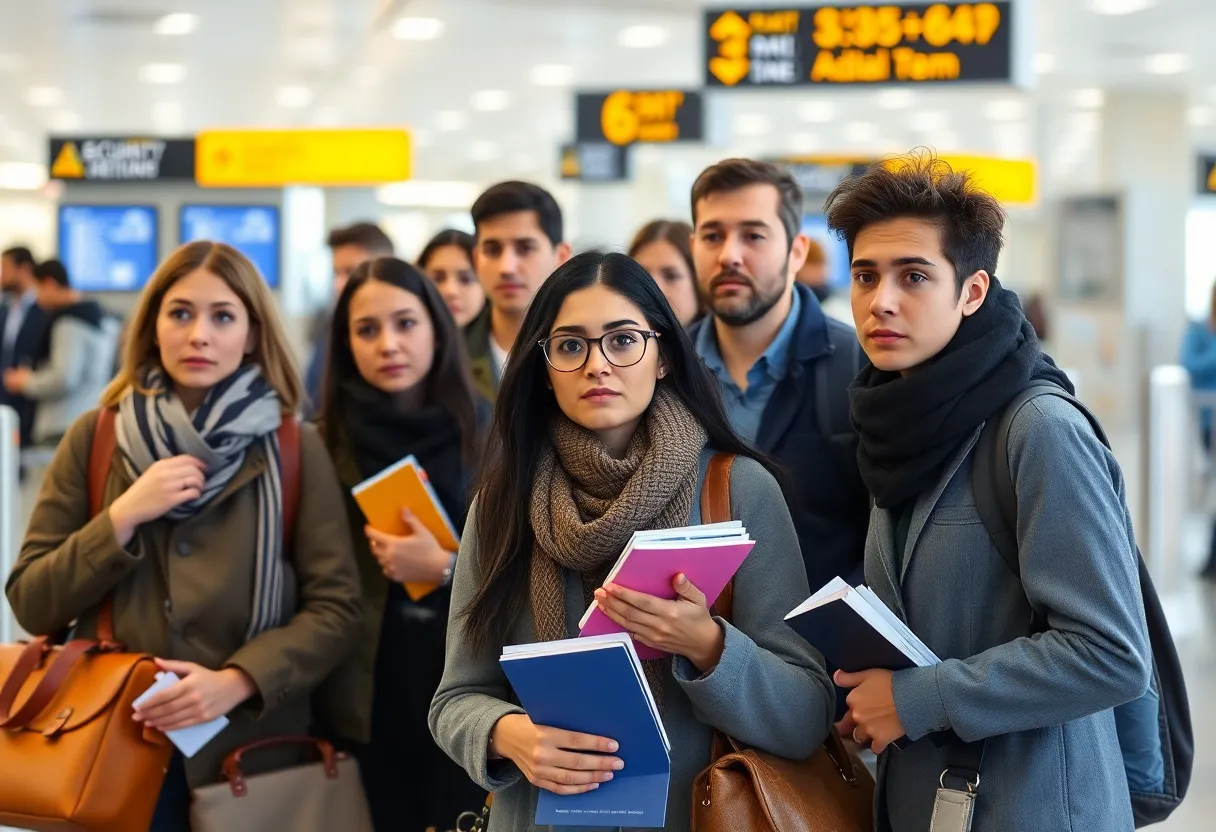
The U.S. government has proposed a new policy requiring travelers from 42 countries to provide their social media histories from the past five years when applying for entry under the Visa Waiver Program. This move aims to enhance national security but has raised concerns within the travel industry regarding potential impacts on international tourism, especially with events like the 2026 FIFA World Cup on the horizon. Privacy advocates are also worried about the implications of such data collection on individuals’ rights.
New U.S. Policy Requires Social Media Histories for Travelers
Concerns arise in the travel industry as national security measures tighten.
Dallas, TX – The U.S. government has recently proposed a policy that would require travelers from 42 countries to disclose their social media histories used in the past five years when they apply for entry under the Visa Waiver Program (VWP). This initiative, aimed at enhancing national security, has stirred a significant dialogue among various stakeholders, particularly in the travel and tourism sectors.
The Department of Homeland Security announced this proposed rule, which specifies that travelers must provide their social media usernames, recent email addresses, and detailed personal information about their immediate family members. Such extensive information is intended to streamline vetting procedures and bolster security measures for travelers entering the U.S. under the VWP, which currently allows citizens from 42 countries to visit for up to 90 days without a visa.
Impact on the Travel Industry
This new requirement has raised concerns within the travel industry, with the U.S. Travel Association warning that these additional demands could deter international tourists. Given that the U.S. is set to co-host the highly anticipated 2026 FIFA World Cup with Canada and Mexico, the timing of this proposal has sparked worries about its potential effects on the tourism sector.
As local businesses in Dallas continue their recovery and adapt to a post-pandemic economy, the prospect of decreased international visitor numbers could impede the progress and innovation many entrepreneurs have worked hard to achieve. The U.S. Travel Association’s concerns echo the sentiments of several business owners who emphasize the importance of attracting foreign tourists to enhance the local economy.
Privacy Concerns
Critics of the proposed policy have expressed apprehensions about the implications for privacy rights. The broad scope of data collection raises questions regarding how this information might be used and if it could be leveraged to target individuals who are critical of the administration. The ensuing debate underscores the delicate balance between national security and individual freedoms, a challenge that policymakers must navigate thoughtfully.
Public Feedback Opportunity
Currently, the proposal is open for a 60-day public comment period, allowing stakeholders—including individuals, businesses, and advocacy groups—to provide feedback before final decisions are made. This level of public engagement is crucial, as it enables local entrepreneurs and other voices to contribute to a policy that will likely impact their industries significantly.
Broader Context of National Security Efforts
This initiative represents a continuation of the past administration’s efforts to tighten travel vetting processes. By enhancing scrutiny of foreign visitors, the administration seeks to bolster national security while navigating the complexities of encouraging tourism growth. Such policies must consider the potential economic repercussions and the spirit of entrepreneurship epitomized in cities like Dallas.
Conclusion
The proposed policy requiring travelers to disclose their social media histories marks a significant shift in how the U.S. approaches entry for international visitors. While the intent revolves around strengthening national security, the implications for the travel industry and the local economy could be profound. As Dallas continues to recover and adapt, engagement from the community is essential to ensure a balanced approach that fosters both safety and economic growth. Business owners and residents are encouraged to stay informed and actively participate in discussions surrounding this proposal to shape the economic future of our vibrant city.
Frequently Asked Questions (FAQ)
What is the new U.S. policy regarding social media histories for travelers?
The U.S. government has proposed a policy requiring travelers from 42 countries to disclose their social media histories from the past five years when applying for entry under the Visa Waiver Program (VWP). This includes providing social media usernames, email addresses from the past ten years, and detailed personal information about immediate family members.
Which countries are affected by this new policy?
The policy applies to citizens from 42 countries that participate in the Visa Waiver Program, allowing them to visit the U.S. for up to 90 days without a visa.
How has the travel industry responded to this proposal?
The U.S. Travel Association has expressed concerns that the new requirements could deter international visitors, potentially harming the tourism sector, especially ahead of the 2026 FIFA World Cup, which the U.S. is co-hosting with Canada and Mexico.
What is the current status of the proposed policy?
The proposal is currently open for a 60-day public comment period, allowing stakeholders to provide feedback before any final decisions are made.
Why is the U.S. implementing this policy?
The policy is part of a broader effort by the Trump administration to tighten vetting procedures for foreign visitors, aiming to bolster national security by scrutinizing travelers more thoroughly.
Key Features of the Proposed Policy
| Feature | Description |
|---|---|
| Social Media Disclosure | Travelers must provide social media usernames used over the past five years. |
| Email Addresses | Applicants must disclose email addresses used in the past ten years. |
| Family Information | Detailed personal information about immediate family members is required. |
| Public Comment Period | The proposal is open for a 60-day public comment period. |
| Implementation Date | The policy is expected to take effect on February 8. |
Deeper Dive: News & Info About This Topic
HERE Resources
Kerrville Flooding Update: Impact and Recovery Efforts
Nearly 300 Delta Passengers Stranded Overnight on Tarmac