

Dallas, Texas, December 14, 2025
In a pivotal move, Texas regulators are permitting the release of treated wastewater from oil production into rivers, addressing environmental disposal challenges. Companies like Texas Pacific Land Corp. are awaiting approval from the TCEQ to discharge treated produced water into the Pecos River. While this initiative could reduce underground disposal risks, environmental advocates caution about potential ecological impacts, emphasizing the importance of thorough assessments and robust regulations to ensure water quality and public health.
Toxic Water from Texas Oil Production Set to Be Treated and Released into Rivers
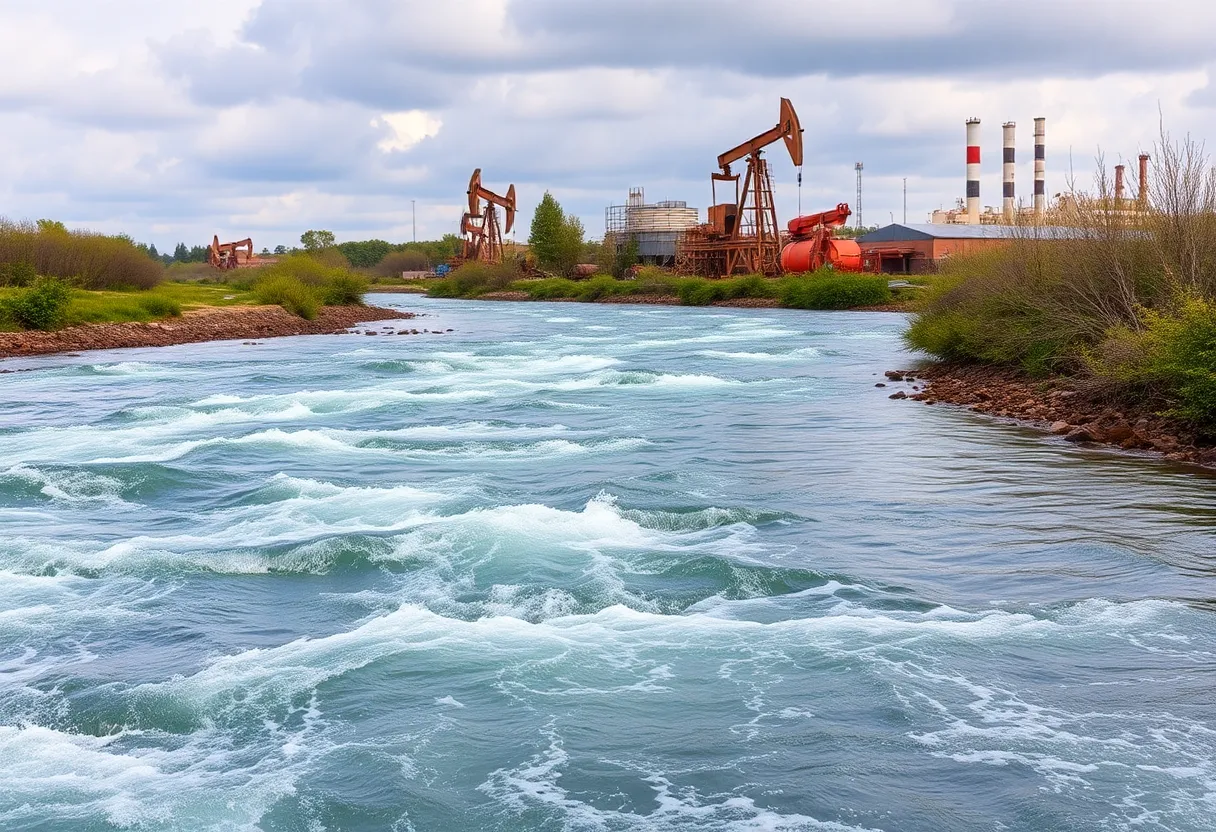
Dallas, Texas – In a significant development, Texas regulators are moving forward with plans to permit the release of treated wastewater from oil production into rivers, aiming to address the environmental challenges posed by the disposal of produced water.
Regulatory Approvals and Environmental Concerns
The Texas Commission on Environmental Quality (TCEQ) is reviewing applications from companies, including Texas Pacific Land Corp. and NGL Energy Partners LP, to discharge treated produced water into the Pecos River near New Mexico. These projects represent a new approach to managing the substantial volumes of wastewater generated by oil extraction in the Permian Basin.
Environmental advocates have raised concerns about the potential risks associated with this practice. They emphasize the need for thorough risk assessments and caution against proceeding without comprehensive data on the long-term environmental impacts.
Industry Perspective and Technological Innovations
Companies involved in these initiatives argue that treating and releasing produced water could alleviate environmental issues linked to underground disposal methods, such as induced seismicity and well leaks. They highlight technological advancements in water treatment processes that aim to meet environmental standards.
Background on Produced Water Management
Produced water, a byproduct of oil and gas extraction, contains various contaminants, including salts, chemicals, and heavy metals. Traditionally, this wastewater has been disposed of by injecting it back into the ground, a practice that has been linked to environmental concerns.
The proposed discharge into rivers is part of a broader strategy to find sustainable solutions for managing produced water, with the potential to repurpose it for agricultural irrigation and other beneficial uses. However, the success of these initiatives depends on the effectiveness of treatment technologies and the establishment of robust regulatory frameworks to ensure environmental protection.
Conclusion
The move to treat and release produced water into rivers marks a pivotal moment in Texas’s approach to managing oil production byproducts. While it offers potential environmental benefits, it also necessitates careful consideration of ecological impacts and the implementation of stringent regulatory oversight to safeguard water quality and public health.
FAQ
What is produced water?
Produced water is wastewater generated during oil and gas extraction, containing various contaminants such as salts, chemicals, and heavy metals.
Why is Texas considering releasing treated produced water into rivers?
To address environmental concerns associated with traditional disposal methods like underground injection, and to explore potential beneficial uses such as agricultural irrigation.
What are the environmental concerns with discharging treated produced water into rivers?
Potential risks include contamination of water sources, harm to aquatic life, and long-term ecological impacts, necessitating thorough risk assessments and regulatory oversight.
Which companies are involved in these initiatives?
Companies such as Texas Pacific Land Corp. and NGL Energy Partners LP have applied for permits to discharge treated produced water into rivers.
What is the role of the Texas Commission on Environmental Quality (TCEQ) in this process?
TCEQ is responsible for reviewing and approving applications for discharging treated produced water, ensuring compliance with environmental standards.
Key Features
| Feature | Description |
|---|---|
| Produced Water | Wastewater from oil and gas extraction containing contaminants like salts, chemicals, and heavy metals. |
| Regulatory Body | Texas Commission on Environmental Quality (TCEQ) oversees the approval process for discharging treated produced water. |
| Environmental Concerns | Potential contamination of water sources, harm to aquatic life, and long-term ecological impacts. |
| Industry Perspective | Companies argue that treated produced water can be safely released into rivers, offering environmental benefits. |
| Beneficial Uses | Potential repurposing of treated produced water for agricultural irrigation and other applications. |
Deeper Dive: News & Info About This Topic
HERE Resources
Texas Supreme Court Approves Wastewater Permit for Dripping Springs