

Dallas, December 31, 2025
A Texas appeals court has ruled that Attorney General Ken Paxton cannot enforce new reporting requirements on district attorneys in urban areas. This unanimous decision by the 15th Court of Appeals confirms that Paxton lacks authority over district attorneys in counties with over 400,000 residents, effectively blocking his attempts to oversee prosecutors he considers ‘rogue’. The ruling upholds the separation of powers and may shape the future dynamics between state and local authorities in Texas.
Texas Appeals Court Blocks AG Paxton’s Oversight of ‘Rogue’ Prosecutors
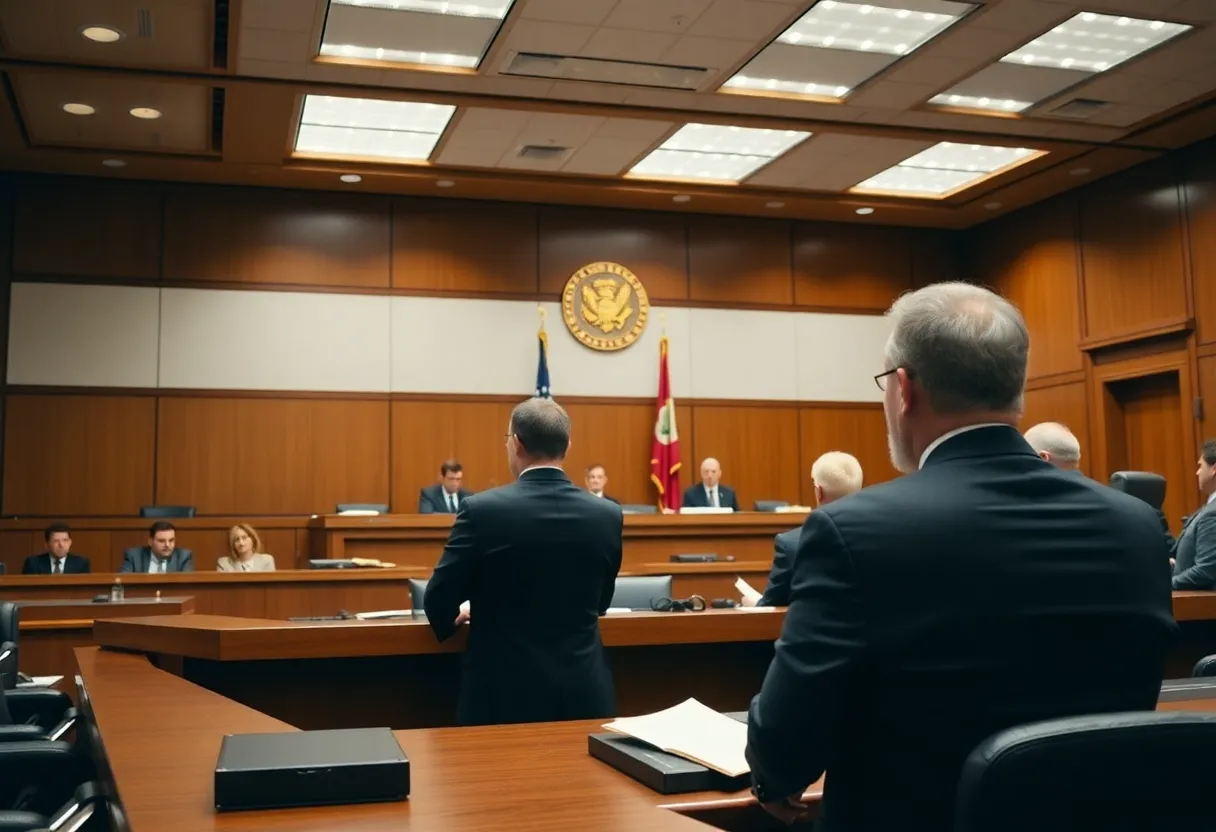
Dallas, Texas – A Texas appeals court has unanimously upheld a ruling that prevents Attorney General Ken Paxton from imposing new reporting requirements on district attorneys in urban areas. The 15th Court of Appeals determined that Paxton lacks the authority to mandate that district attorneys in counties with populations over 400,000 submit sensitive case information and regular reports to his office. This decision effectively blocks Paxton’s efforts to oversee and potentially remove district attorneys he deems “rogue.”
Background of the Case
In March 2025, Paxton introduced a rule requiring district and county attorneys in large counties to provide detailed performance reports to the Attorney General’s Office. The rule aimed to enhance transparency and accountability, particularly targeting prosecutors who declined to pursue certain cases. However, district attorneys from several large counties, including Dallas, Harris, and Bexar, filed a lawsuit challenging the constitutionality of these mandates. They argued that the rule exceeded Paxton’s statutory authority and imposed undue burdens on their offices.
Legal Proceedings and Ruling
In May 2025, a Travis County district judge issued a temporary injunction, halting the enforcement of Paxton’s rule. The case was subsequently appealed to the 15th Court of Appeals, which upheld the lower court’s decision. The appellate court stated that while the Attorney General is a constitutionally created officer, his office has rulemaking authority only if the Legislature grants it such authority. Since the Legislature did not grant Paxton the authority to impose these reporting requirements, the court concluded that the rule was invalid.
Implications of the Decision
This ruling is a significant development in the ongoing debate over the balance of power between the Attorney General’s Office and locally elected district attorneys. The decision reinforces the principle of separation of powers and limits the executive branch’s ability to impose oversight on the judicial branch. While Paxton has the option to appeal the decision to the Texas Supreme Court, the current ruling stands as a substantial check on his authority over urban prosecutors.
Context on the ‘Rogue’ Prosecutors Debate
The term “rogue” prosecutors refers to district attorneys who, according to Paxton, refuse to prosecute certain crimes, such as low-level marijuana offenses or cases related to abortion services. Paxton’s initiative aimed to ensure that these prosecutors adhere to state laws and fulfill their prosecutorial duties. However, critics argue that the rule infringes on the autonomy of locally elected officials and could lead to the disclosure of sensitive information, potentially compromising ongoing investigations and the privacy of victims and witnesses.
Next Steps
As the case returns to the Travis County district court for further proceedings, the legal battle over the Attorney General’s oversight of district attorneys is likely to continue. The outcome of this case could have lasting implications for the relationship between state and local authorities in Texas, particularly concerning the prosecution of criminal cases and the enforcement of state laws at the local level.
Frequently Asked Questions (FAQ)
What did the Texas appeals court decide regarding AG Paxton’s oversight of district attorneys?
The Texas appeals court unanimously upheld a ruling that prevents Attorney General Ken Paxton from imposing new reporting requirements on district attorneys in urban areas. The court determined that Paxton lacks the authority to mandate that district attorneys in counties with populations over 400,000 submit sensitive case information and regular reports to his office.
What was the purpose of Attorney General Paxton’s new rule?
In March 2025, Paxton introduced a rule requiring district and county attorneys in large counties to provide detailed performance reports to the Attorney General’s Office. The rule aimed to enhance transparency and accountability, particularly targeting prosecutors who declined to pursue certain cases.
What are the implications of this ruling?
This ruling reinforces the principle of separation of powers and limits the executive branch’s ability to impose oversight on the judicial branch. It also highlights the ongoing debate over the balance of power between the Attorney General’s Office and locally elected district attorneys in Texas.
What is the ‘rogue’ prosecutors debate about?
The term “rogue” prosecutors refers to district attorneys who, according to Paxton, refuse to prosecute certain crimes, such as low-level marijuana offenses or cases related to abortion services. Paxton’s initiative aimed to ensure that these prosecutors adhere to state laws and fulfill their prosecutorial duties. However, critics argue that the rule infringes on the autonomy of locally elected officials and could lead to the disclosure of sensitive information, potentially compromising ongoing investigations and the privacy of victims and witnesses.
What are the next steps in this legal case?
As the case returns to the Travis County district court for further proceedings, the legal battle over the Attorney General’s oversight of district attorneys is likely to continue. The outcome of this case could have lasting implications for the relationship between state and local authorities in Texas, particularly concerning the prosecution of criminal cases and the enforcement of state laws at the local level.
Key Features of the Case
| Feature | Description |
|---|---|
| Case Title | Texas appeals court upholds ruling preventing AG Paxton from targeting ‘rogue’ prosecutors |
| Decision Date | December 30, 2025 |
| Court Involved | 15th Court of Appeals |
| Key Parties | Attorney General Ken Paxton, Dallas County District Attorney John Creuzot, other district attorneys from large counties |
| Legal Issue | Whether Paxton has the authority to impose reporting requirements on district attorneys in urban areas |
| Outcome | Appeals court upheld the ruling that Paxton lacks the authority to enforce the reporting requirements |
| Implications | Reinforces separation of powers, limits executive oversight over judicial branch, ongoing debate over balance of power between state and local authorities in Texas |
Deeper Dive: News & Info About This Topic
HERE Resources
AG Paxton Files Lawsuit Against East Plano Islamic Center Development
Texas Attorney General Investigates Property Tax Compliance
Federal Immigration Crackdown Affects Texas Job Growth
Texas Proxy Advisory Firms Face Legal Challenges
Texas Schools Navigate New Law on Ten Commandments Display
Fatal Police Shooting During Vehicle Pursuit in Cedar Hill