

Dallas, TX, January 15, 2026
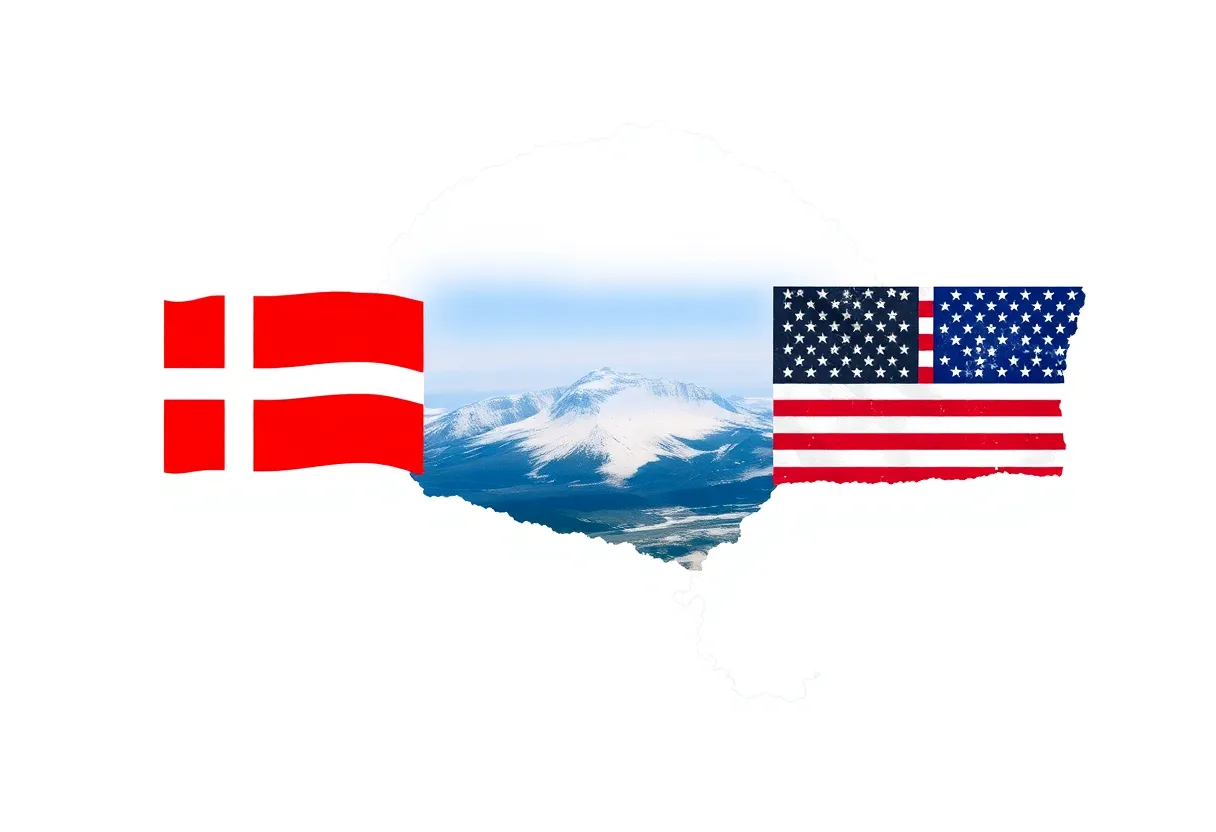
Diplomatic tensions have escalated between Denmark and the United States over Greenland’s future following discussions on a potential U.S. acquisition. Denmark’s Foreign Minister described the talks as revealing fundamental disagreements on sovereignty. To address these issues, both nations will form a high-level working group while Denmark plans to enhance its military presence in the Arctic. Greenland’s leadership has firmly rejected any notion of U.S. ownership, emphasizing its allegiance to Denmark. As developments unfold, local stakeholders in Dallas are warned to consider the implications on international relations and economic conditions.
Dallas, TX – Tensions Escalate Over Greenland’s Sovereignty Amid U.S. Acquisition Talks
FAQ
What is the current disagreement between Denmark and the U.S. over Greenland?
A significant diplomatic rift has emerged between Denmark and the United States over Greenland’s future, following recent discussions between Danish officials and the Trump administration. Danish Foreign Minister Lars Løkke Rasmussen characterized the talks as revealing a “fundamental disagreement” regarding President Donald Trump’s proposal for the U.S. to acquire Greenland, a semi-autonomous territory of Denmark.
What steps have Denmark and the U.S. agreed to take to address the disagreement?
Despite the discord, both parties have agreed to establish a high-level working group aimed at addressing U.S. security concerns while upholding Denmark’s sovereignty. This initiative reflects a mutual desire to find common ground amidst escalating tensions.
How is Denmark responding to the U.S. proposal for Greenland?
In response to the U.S. proposal, Denmark has announced plans to bolster its military presence in the Arctic and North Atlantic regions. This strategic move is intended to reinforce Denmark’s defense capabilities and assert its territorial integrity in the face of external pressures.
What is Greenland’s position on the U.S. acquisition proposal?
Greenland’s Prime Minister Jens-Frederik Nielsen has also firmly declared the territory’s allegiance to Denmark, emphasizing Greenland’s commitment to its current political affiliations and rejecting any notion of U.S. ownership or governance.
What are the U.S. administration’s reasons for seeking control over Greenland?
The U.S. administration, led by President Trump, continues to advocate for the acquisition of Greenland, citing national security interests and the strategic importance of the island in countering Russian and Chinese influence in the Arctic. However, this stance has been met with resistance from both Danish and Greenlandic officials, who view the proposal as a violation of their sovereignty and self-determination.
Key Features of the Dispute Over Greenland’s Sovereignty
| Aspect | Details |
|---|---|
| Disagreement | A significant diplomatic rift has emerged between Denmark and the United States over Greenland’s future, following recent discussions between Danish officials and the Trump administration. Danish Foreign Minister Lars Løkke Rasmussen characterized the talks as revealing a “fundamental disagreement” regarding President Donald Trump’s proposal for the U.S. to acquire Greenland, a semi-autonomous territory of Denmark. |
| Working Group | Despite the discord, both parties have agreed to establish a high-level working group aimed at addressing U.S. security concerns while upholding Denmark’s sovereignty. This initiative reflects a mutual desire to find common ground amidst escalating tensions. |
| Military Presence | In response to the U.S. proposal, Denmark has announced plans to bolster its military presence in the Arctic and North Atlantic regions. This strategic move is intended to reinforce Denmark’s defense capabilities and assert its territorial integrity in the face of external pressures. |
| Greenland’s Position | Greenland’s Prime Minister Jens-Frederik Nielsen has also firmly declared the territory’s allegiance to Denmark, emphasizing Greenland’s commitment to its current political affiliations and rejecting any notion of U.S. ownership or governance. |
| U.S. Administration’s Stance | The U.S. administration, led by President Trump, continues to advocate for the acquisition of Greenland, citing national security interests and the strategic importance of the island in countering Russian and Chinese influence in the Arctic. However, this stance has been met with resistance from both Danish and Greenlandic officials, who view the proposal as a violation of their sovereignty and self-determination. |
The tension surrounding Greenland’s sovereignty highlights the delicate balance of international relations and the importance of maintaining open dialogue. Both Denmark and the United States have a vested interest in the stability of the Arctic region, and their negotiations may set the tone for future collaborations. As local businesses and communities thrive on the strength of international partnerships and trade, it is crucial for stakeholders to navigate these complexities with diligence and respect for sovereignty.
As developments unfold, stakeholders in Dallas, whether involved in small business or local governance, would do well to contemplate the implications of such international disputes on broader economic conditions. Entrepreneurs and investors should look toward fostering partnerships both locally and internationally, ensuring their businesses can adapt to the shifting tides of global economic policy.
As these discussions progress, local businesses and community members are encouraged to stay informed and engaged. By understanding the global landscape, Dallas entrepreneurs can continue to innovate and lead in economic growth, demonstrating resilience and adaptability that will shape a prosperous future for the region.
Deeper Dive: News & Info About This Topic
HERE Resources
European Leaders Stand Firm Against U.S. Greenland Acquisition Claims