
Dallas, TX, December 18, 2025
The U.S. government has acknowledged its role in the tragic mid-air collision between an Army Black Hawk helicopter and an American Airlines regional jet, which claimed 67 lives. Following a lawsuit from a victim’s family, this admission has spurred legislative and regulatory reforms aimed at enhancing aviation safety. The Senate has passed new legislation requiring that all aircraft, including military helicopters, be equipped with safety technology by 2031. The FAA is implementing significant reforms to address safety gaps uncovered during the investigation into the disaster.
Government Admits Liability in January Mid-Air Collision
A Tragic Incident Sparks Legislative and Regulatory Reforms
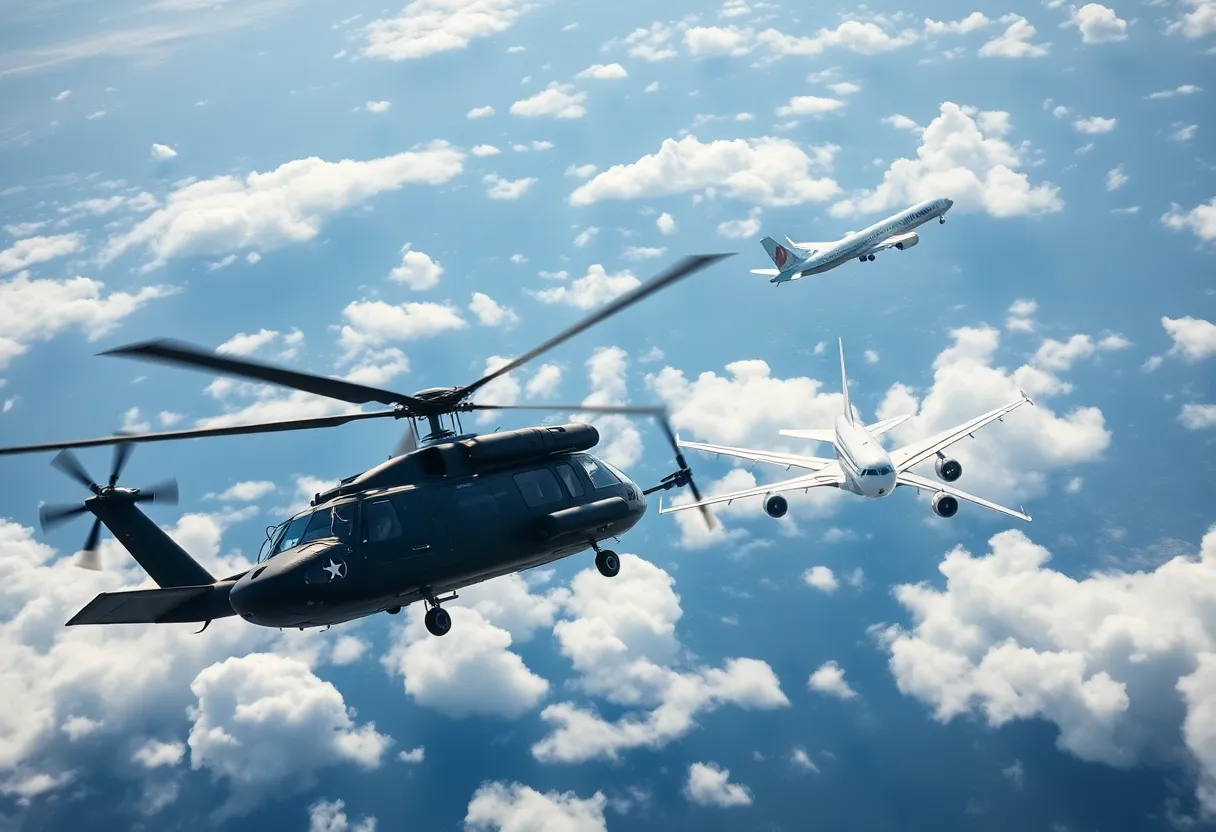
Dallas, TX – The U.S. government has taken a significant step in acknowledging its role in the tragic mid-air collision that occurred in January between an Army Black Hawk helicopter and an American Airlines regional jet. This incident is the deadliest plane crash to take place on U.S. soil in over two decades, leading to the unfortunate loss of 67 lives.
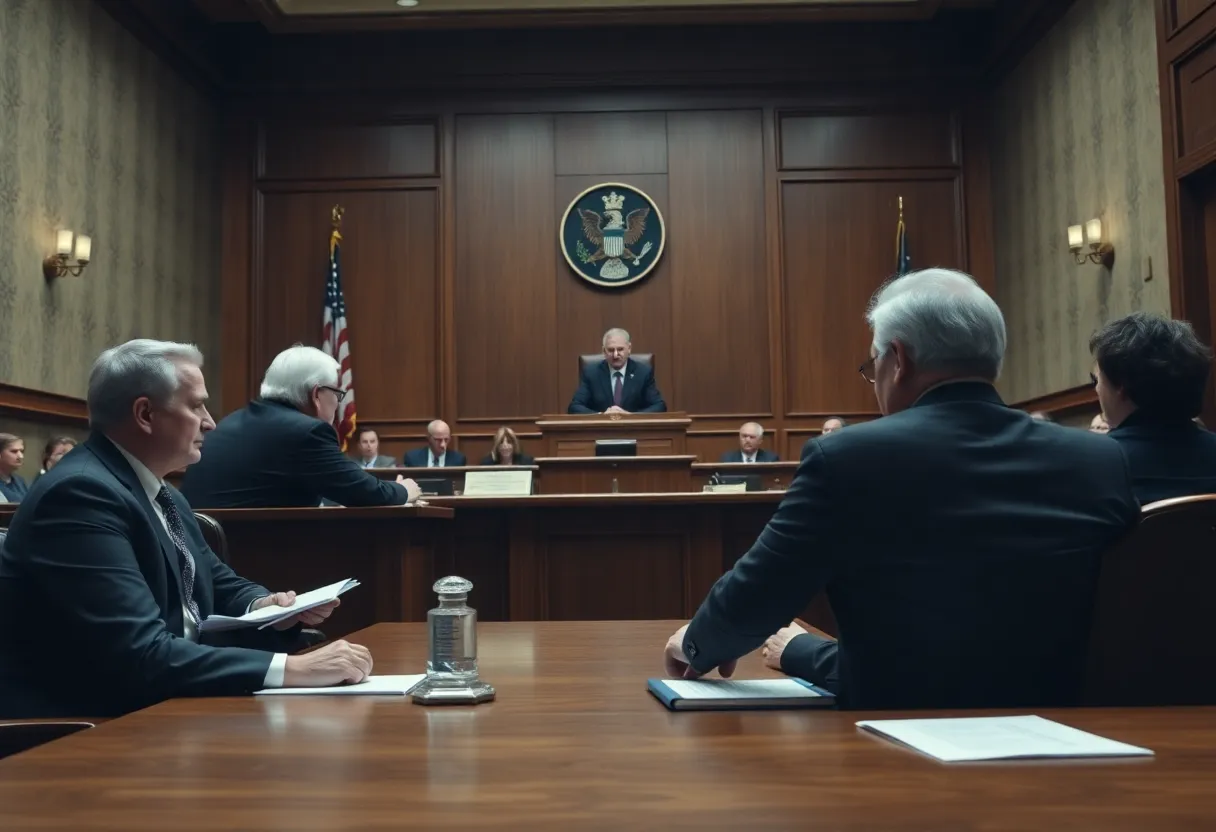
The admission from the government comes as a reaction to a lawsuit filed by a victim’s family and highlights the accountability that federal organizations must maintain to ensure safety in the skies. The incident, which took place near Ronald Reagan National Airport, has triggered discussions about safety standards and regulatory reforms—showcasing the resilience of the community as it navigates the repercussions of such a devastating occurrence.
Understanding the Collision
The collision occurred on January 29, claiming the lives of all 60 passengers and four crew members aboard the American Airlines jet, along with three soldiers on the Army helicopter. Reports suggest that both the Federal Aviation Administration (FAA) and the Army were found liable due to violations of established procedures; specifically, the air traffic controller’s failure to maintain visual separation and the helicopter pilots’ lack of vigilance. At least 28 bodies were retrieved from the Potomac River, underscoring the tragic outcome of this incident.
Navigating Challenges and Introducing Reforms
In the wake of this catastrophe, the National Transportation Safety Board (NTSB) is finalizing its report, which indicates that the helicopter operated above its designated altitude and that both the FAA and Army pilots relied excessively on visual separation techniques. These findings are intended to refine operational procedures and prevent such incidents in the future.
To address these issues, the U.S. Senate has unanimously passed legislation designed to bolster safety standards for military helicopters. The new law mandates that all aircraft, including military, be equipped with Automatic Dependent Surveillance–Broadcast (ADS-B) systems by 2031. This technology will significantly enhance situational awareness by allowing aircraft to communicate their locations, aiming to furnish a safer flying environment for all.
FAA’s Response to the Crash
In addition to legislative action, the FAA has implemented strategic reforms aimed at addressing the safety gaps revealed by the incident. By launching a Safety Integration Office and creating safety risk heat maps, the FAA is making strides toward greater transparency and accountability. Furthermore, a comprehensive safety management system is now in place to better identify and mitigate potential risks effectively.
Community Response and Advocacy
The families affected by this disaster have voiced their deep sorrow and are advocating for stricter visibility standards for military aircraft to prevent similar tragedies. Their collective voice serves as a reminder of the human element behind regulatory measures, emphasizing that safety in aviation is paramount.
Conclusion
The January mid-air collision has sparked a national conversation about aviation safety and accountability, highlighting the critical need for improved regulations and technology. The legislative efforts underway not only reflect the government’s commitment to learning from past mistakes but also emphasize the importance of community advocacy in shaping policies. As Dallas continues to grow and evolve, local citizens are encouraged to engage actively in discussions surrounding economic and public safety to foster a secure and thriving business environment.
Frequently Asked Questions (FAQ)
What caused the mid-air collision near Washington, D.C.?
The U.S. government admitted that both the Federal Aviation Administration (FAA) and the Army were liable for the crash. The FAA’s air traffic controller violated procedures regarding visual separation, and the Army helicopter pilots failed to maintain proper vigilance to avoid the collision.
How many people died in the collision?
The collision resulted in 67 fatalities: all 60 passengers and four crew members aboard the American Airlines regional jet, and three soldiers on the Army Black Hawk helicopter.
What legislative actions have been taken in response to the crash?
The U.S. Senate unanimously passed legislation requiring all aircraft, including military, to equip their fleets with Automatic Dependent Surveillance–Broadcast (ADS-B) systems by 2031. This technology will allow aircraft to broadcast their locations, improving situational awareness and preventing future collisions. The bill now awaits approval from the House of Representatives.
What reforms has the FAA implemented following the crash?
The FAA has launched a Safety Integration Office, created safety risk heat maps, enhanced transparency, and improved accountability within the agency. Additionally, the FAA is conducting a comprehensive safety management system to better identify and mitigate risks, acting swiftly on data from accidents and near misses.
Key Features of the Incident
| Feature | Details |
|---|---|
| Incident Date | January 29, 2025 |
| Location | Near Ronald Reagan National Airport, Washington, D.C. |
| Fatalities | 67 (60 passengers and 4 crew members on the American Airlines jet; 3 soldiers on the Army Black Hawk helicopter) |
| Government Admission | FAA and Army were liable for the crash due to procedural violations and lack of vigilance |
| Legislative Response | U.S. Senate passed legislation requiring all aircraft, including military, to equip fleets with ADS-B systems by 2031 |
| FAA Reforms | Launched Safety Integration Office, created safety risk heat maps, enhanced transparency, and improved accountability |
Deeper Dive: News & Info About This Topic
HERE Resources