

Dallas-Fort Worth, December 28, 2025
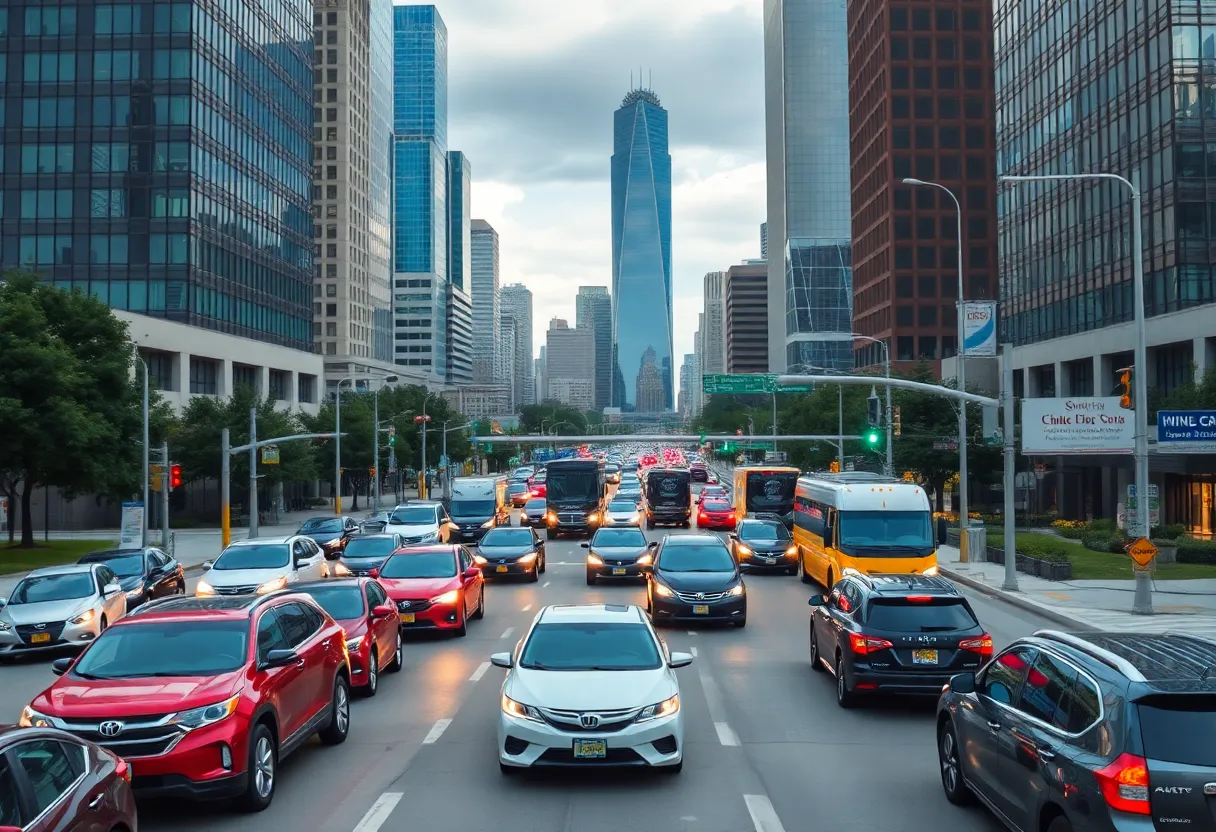
Drivers in Dallas-Fort Worth faced an average of 69 hours in traffic last year, making it one of the most congested regions in Texas. A study from Texas A&M highlights that 41 of the top 100 most gridlocked roadways in Texas are located in North Texas. Key bottlenecks include the Woodall Rodgers Freeway and Interstate 35. Rapid population growth and limited infrastructure expansion are among the factors contributing to this congestion, underscoring the need for improvements.
Dallas-Fort Worth Roads Among Texas’ Most Congested
Drivers Face 69 Hours of Traffic Annually
In Dallas-Fort Worth, the average driver endured an astonishing 69 hours in traffic last year, positioning the region as one of the most congested in Texas. According to a recent study by Texas A&M University’s Transportation Institute, 41 of Texas’ top 100 most gridlocked roadways are located within the North Texas area.
Key Congested Roadways Identified
The study pinpointed critical stretches of roadway that contribute to significant delays:
- Woodall Rodgers Freeway (Spur 366): This section ranks third statewide, acting as a major bottleneck between U.S. Highway 75 and North Beckley Avenue in Dallas County.
- Interstate 35 West (I-35W): The stretch from State Highway 183 to I-30 in Tarrant County is eighth in state rankings.
- Interstate 30 (I-30): Spanning from Jefferson Viaduct to East Grand Avenue in Dallas County, it holds the eleventh position.
- Interstate 35 East (I-35E): This segment, from S.H. 183 to I-30 in Dallas County, is ranked twelfth in the state.
- U.S. 75: With traffic from Northwest Highway to Woodall Rodgers Freeway, it ranks thirteenth.
Why Does This Congestion Exist?
Several factors have led to the heightened congestion levels within Dallas-Fort Worth:
- Population Growth: The rapid urban expansion has increased the number of vehicles on local roads.
- Limited Infrastructure Expansion: The capacity of roadways has not kept pace with the volume of vehicle traffic.
- Economic Vitality: A thriving local economy continues to draw more commuters and commercial freight traffic.
- Land Use and Construction: Ongoing development projects and specific land use patterns impact traffic dynamics.
- Congestion Outside Peak Periods: Traffic delays are now common even beyond traditional rush hours, affecting midday and weekends.
The Broader Texas Picture
Looking at the state as a whole, the Houston area also suffers from extensive traffic congestion, with 36 of the top 100 most congested roadways. The top five congested segments statewide include:
- West Loop Freeway (I-610) in Harris County
- Eastex Freeway (I-69/U.S. 59) in Harris County
- Woodall Rodgers Freeway (Spur 366) in Dallas County
- Southwest Freeway (I-69/U.S. 59) in Harris County
- North Loop West Freeway (I-610) in Harris County
These details stress the essential need for infrastructure improvements and well-thought-out urban planning aimed at alleviating congestion in the Dallas-Fort Worth region.
Conclusion
The challenges posed by traffic congestion offer potential pathways for local innovation and development initiatives. Addressing these issues could not only improve commutes but also stimulate economic growth within Dallas County. As the region continues to develop, residents are encouraged to support local businesses and engage with community plans aimed at enhancing transportation infrastructure.
Frequently Asked Questions
Which Dallas-Fort Worth roads are the most congested?
The most congested roads in Dallas-Fort Worth include Woodall Rodgers Freeway (Spur 366), Interstate 35 West (I-35W), Interstate 30 (I-30), Interstate 35 East (I-35E), and U.S. 75.
What factors contribute to traffic congestion in Dallas-Fort Worth?
Factors contributing to congestion include rapid population growth, limited infrastructure expansion, economic vitality, land use and construction, and congestion outside traditional peak periods.
How does Dallas-Fort Worth’s congestion compare to other Texas cities?
Dallas-Fort Worth has 41 of the state’s top 100 most congested roadways, while the Houston area has 36, indicating significant congestion in both regions.
Key Features of Dallas-Fort Worth’s Traffic Congestion
| Feature | Description |
|---|---|
| Top Congested Roads | Woodall Rodgers Freeway (Spur 366), I-35W, I-30, I-35E, U.S. 75 |
| Contributing Factors | Population growth, limited infrastructure, economic vitality, land use, off-peak congestion |
| Statewide Comparison | Dallas-Fort Worth: 41 congested roads; Houston area: 36 congested roads |
Deeper Dive: News & Info About This Topic
HERE Resources
Dallas Pizza Restaurant Temporarily Closes Due to Fire
Unseasonably Warm Temperatures Disrupt Holiday Traditions in the US
Washington Commanders Conclude Tough Season With Loss to Cowboys
15 Patios to Enjoy Winter Dining in Dallas
Tragic Incident in Terrell, Texas: Four Found Dead on Christmas Eve
Rockwall Man Arrested for Allegedly Shooting Wife
Quintrevion Wisner Enters NCAA Transfer Portal, Shaking Up Texas Roster
Dallas Sees Significant Drop in Auto Theft Rates
Texas Bowl: LSU vs. Houston with Coach Frank Wilson III
Mother Seeks Justice After Daughter Killed in Dallas Shooting