

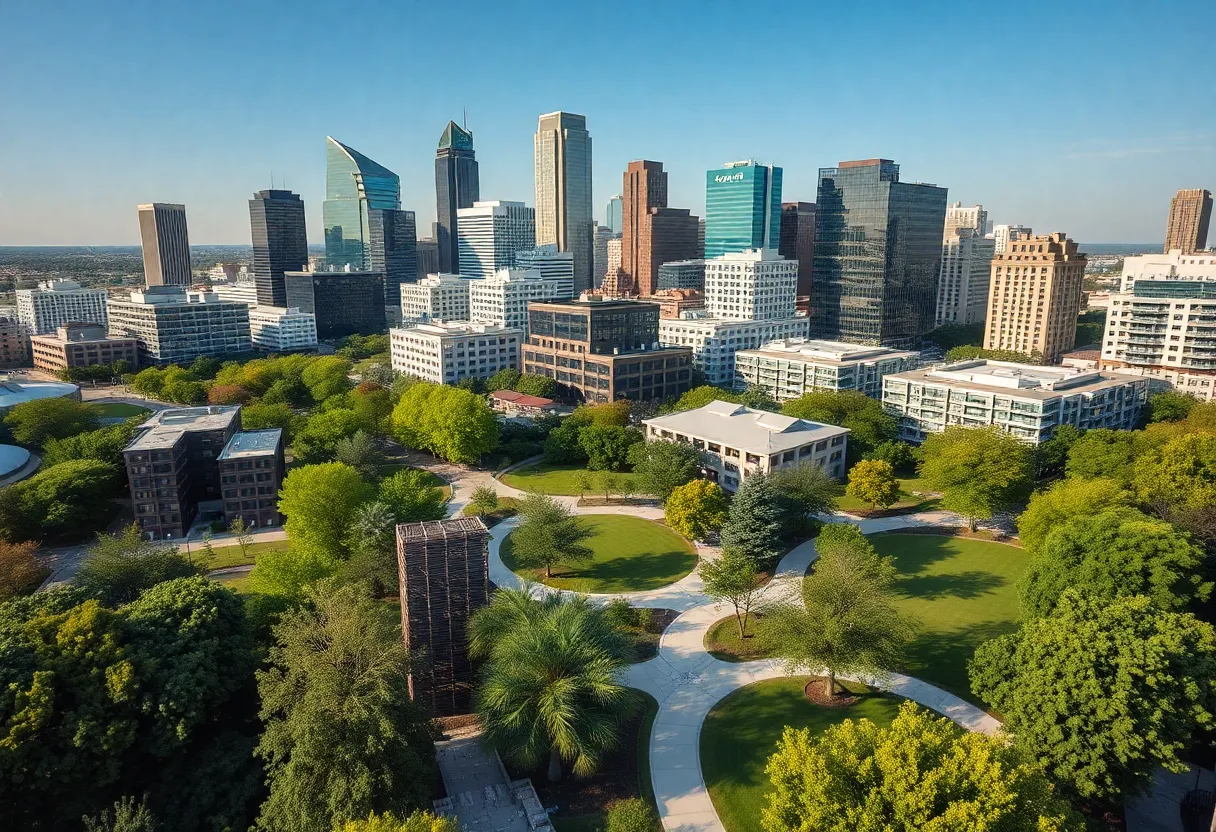
Dallas, January 16, 2026
Dallas has successfully reduced its greenhouse gas emissions below levels recorded in 2015, marking an 11% decrease as per the 2023 environmental report. Key sectors contributing to this reduction include stationary energy and waste management. However, transportation emissions have increased, indicating challenges in the city’s climate action efforts. Dallas aims to further reduce emissions by 43% by 2030 and achieve a 100% reduction by 2050, as outlined in its Comprehensive Environmental and Climate Action Plan.
Dallas Achieves Milestone in Reducing Greenhouse Gas Emissions
Dallas has successfully reduced its greenhouse gas emissions to levels below those recorded in 2015, according to the city’s latest environmental report. This achievement marks a significant step toward the city’s climate action goals.
Key Findings from the 2023 Greenhouse Gas Emissions Inventory
- Total Emissions: Approximately 18.6 million metric tons of carbon dioxide equivalent, an 11% decrease from 2015 levels.
- Stationary Energy Emissions: A 15% reduction from 2019 and a 31% decrease from 2015, primarily due to decreased electricity and natural gas use in buildings.
- Transportation Emissions: A 22% increase from 2019 and a 19% rise from 2015, with aviation emissions newly included in the 2023 inventory.
- Waste-Related Emissions: A 28% drop from 2019 and a 21% reduction from 2015, attributed to improved solid waste management and wastewater treatment processes.
- Local Government Operations: Emissions decreased by 17% from 2019 and 29% from 2015, accounting for roughly 4% of Dallas’ total emissions. Notably, streetlights and traffic signals saw a 57% reduction from 2015, mainly due to efficiency improvements.
City’s Climate Action Plan and Future Goals
In 2020, Dallas adopted the Comprehensive Environmental and Climate Action Plan (CECAP), aiming to reduce greenhouse gas emissions by 43% below 2015 levels by 2030 and achieve a 100% reduction by 2050. The recent inventory results indicate progress toward these interim goals, though challenges remain, particularly in the transportation sector, which continues to see rising emissions.
Conclusion
Dallas’ latest environmental report highlights the city’s ongoing efforts to combat climate change. While the reduction in emissions is commendable, sustained efforts are necessary to meet the ambitious targets set for 2030 and 2050.
Key Features of Dallas’ Greenhouse Gas Emissions Reduction
| Feature | Details |
|---|---|
| Total Emissions | 18.6 million metric tons CO₂e (11% decrease from 2015) |
| Stationary Energy Emissions | 15% reduction from 2019; 31% reduction from 2015 |
| Transportation Emissions | 22% increase from 2019; 19% increase from 2015 |
| Waste-Related Emissions | 28% drop from 2019; 21% reduction from 2015 |
| Local Government Operations | 17% decrease from 2019; 29% reduction from 2015; 4% of total emissions |
| Streetlights and Traffic Signals | 57% reduction from 2015 due to efficiency improvements |
| CECAP Goals | 43% emission reduction by 2030; 100% reduction by 2050 |
Deeper Dive: News & Info About This Topic
HERE Resources
DFW Airport Aims for Net-Zero Carbon Emissions by 2030
Target Expands Its Footprint Across Texas
Former Incarcerated Entrepreneur Creates $50 Million Business
Texas Stock Exchange Set to Transform Financial Landscape
Data Center Boom in Dallas-Fort Worth Driven by AI Demand
Waco’s Economic Growth and Support for Local Entrepreneurs
Procter & Gamble to Cut 7,000 Jobs in Major Restructuring
Corporate Support for Pride Events Drops Significantly
Texas and Mexico Strengthen Economic Collaboration
Albania Prepares for Key Parliamentary Elections