

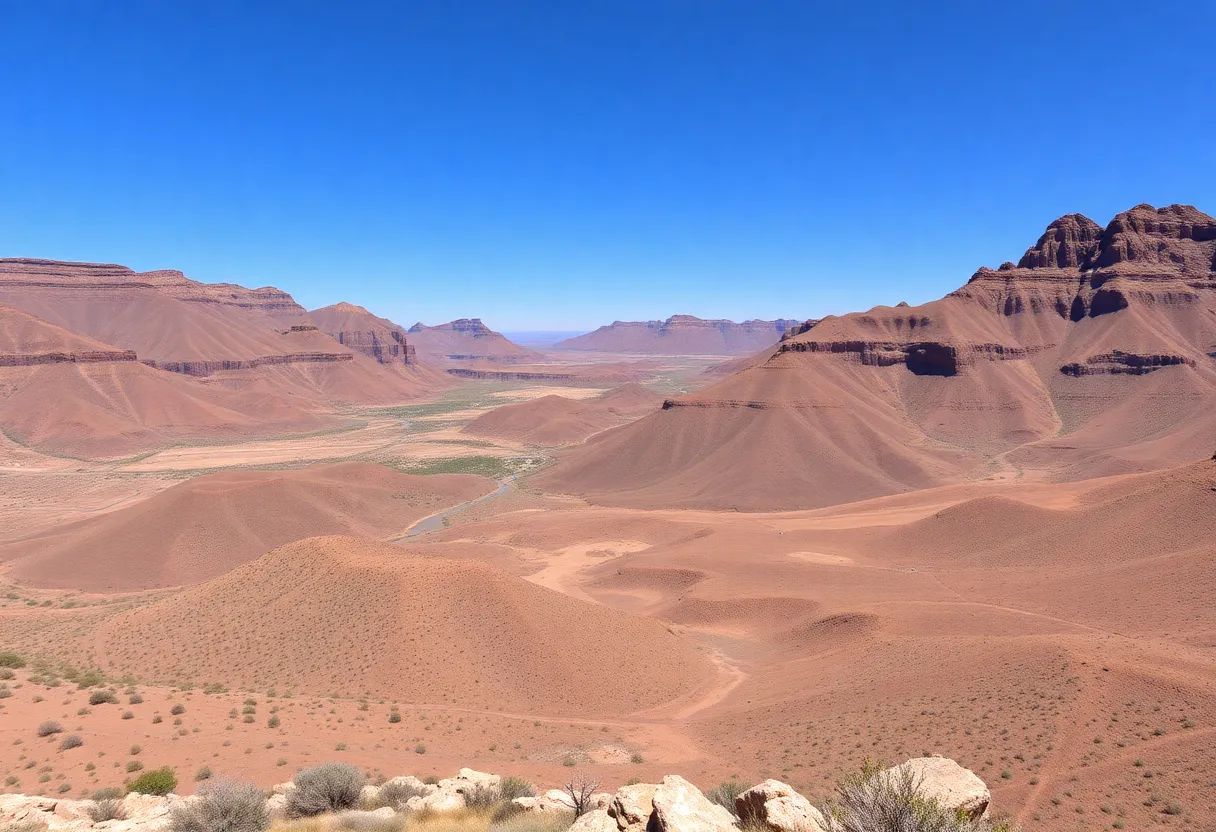
Big Bend National Park, Texas, January 6, 2026
Big Bend National Park faces a serious water shortage in the Chisos Basin due to the failure of the Oak Spring water pumps. With Stage 2 water restrictions now in place, park officials warn of potential partial closures if reserves dwindle further. Repair efforts are ongoing, complemented by a future rehabilitation project slated to begin in 2026, aimed at upgrading the water distribution system.
Critical Water Shortage Threatens Closure of Chisos Basin in Big Bend National Park
Big Bend National Park, Texas – A significant water shortage has emerged in the Chisos Basin area of Big Bend National Park following a complete failure of the Oak Spring water pumps on December 23, 2025. With local entrepreneurship thriving and the Texas economy demonstrating resilience, this water crisis sets the stage for heightened community engagement and innovative solutions to combat environmental challenges. Park officials have implemented Stage 2 water restrictions and warned of a possible partial closure if water reserves continue to dwindle.
Immediate Measures and Potential Impact
In response to the pump failure, the park has enacted Stage 2 water restrictions to conserve the remaining water in storage tanks. Visitors are urged to minimize water usage to help maintain operations. If water levels continue to decline and reach a point insufficient for firefighting needs, the Chisos Basin may be closed to the public.
Repair Efforts and Long-Term Solutions
Efforts to repair the main water pump are underway, but repairs are expected to take several weeks. A backup pump is currently unavailable due to prior repairs. Looking ahead, a comprehensive rehabilitation project for the Chisos Basin’s water distribution system, including the replacement of the Oak Spring pump, is scheduled to begin on May 1, 2026. This project is expected to last two years and will necessitate the closure of the Chisos Basin area during construction.
Visitor Information and Recommendations
Park officials emphasize the importance of water conservation during this period. Visitors are encouraged to limit water usage and adhere to the Stage 2 restrictions to help ensure the Chisos Basin remains accessible. For more information on water conservation practices and updates on the situation, visitors can consult the National Park Service’s official communications.
Background on Big Bend National Park
Big Bend National Park, located in far West Texas, spans over 800,000 acres, making it larger than the state of Rhode Island. The park is renowned for its diverse landscapes, including the Chisos Mountains, and offers a range of recreational activities such as hiking, camping, and stargazing. The Chisos Basin, situated within the park, is a popular destination for visitors, featuring iconic trails like the Window Trail and Emory Peak.
Conclusion
The water shortage in Big Bend National Park’s Chisos Basin presents a significant challenge to park operations and visitor access. Ongoing repair efforts and the upcoming infrastructure project aim to address these issues, but visitors are advised to stay informed and practice water conservation during their visits.
Frequently Asked Questions (FAQ)
What caused the water shortage in Chisos Basin?
The water shortage resulted from a complete failure of the Oak Spring water pumps on December 23, 2025, which are the sole water source for the Chisos Basin area.
What are Stage 2 water restrictions?
Stage 2 water restrictions are conservation measures implemented to reduce water usage. Visitors are encouraged to minimize water consumption to help conserve the remaining water in storage tanks.
How long will the Chisos Basin be closed during the rehabilitation project?
The comprehensive rehabilitation project for the Chisos Basin’s water distribution system is scheduled to begin on May 1, 2026, and is expected to last two years. During this period, the Chisos Basin area will be closed to the public.
What can visitors do to help during this water shortage?
Visitors are encouraged to adhere to the Stage 2 water restrictions by minimizing water usage, such as limiting showers, reducing water used for cooking, and avoiding unnecessary water consumption.
Where can visitors find more information about the situation?
For the most current information and updates, visitors can consult the National Park Service’s official communications and website.
Key Features of the Situation
| Feature | Details |
|---|---|
| Location | Chisos Basin, Big Bend National Park, Texas |
| Cause of Water Shortage | Complete failure of Oak Spring water pumps on December 23, 2025 |
| Immediate Measures | Implementation of Stage 2 water restrictions to conserve remaining water |
| Potential Impact | Possible closure of Chisos Basin if water reserves fall below firefighting requirements |
| Repair Timeline | Repairs expected to take several weeks; backup pump unavailable due to prior repairs |
| Long-Term Solution | Comprehensive rehabilitation project scheduled to begin May 1, 2026, lasting two years, including full closure of Chisos Basin during construction |
| Visitor Recommendations | Adhere to Stage 2 water restrictions by minimizing water usage to help conserve remaining water |
Deeper Dive: News & Info About This Topic
HERE Resources