

Minneapolis, Minnesota, February 3, 2026
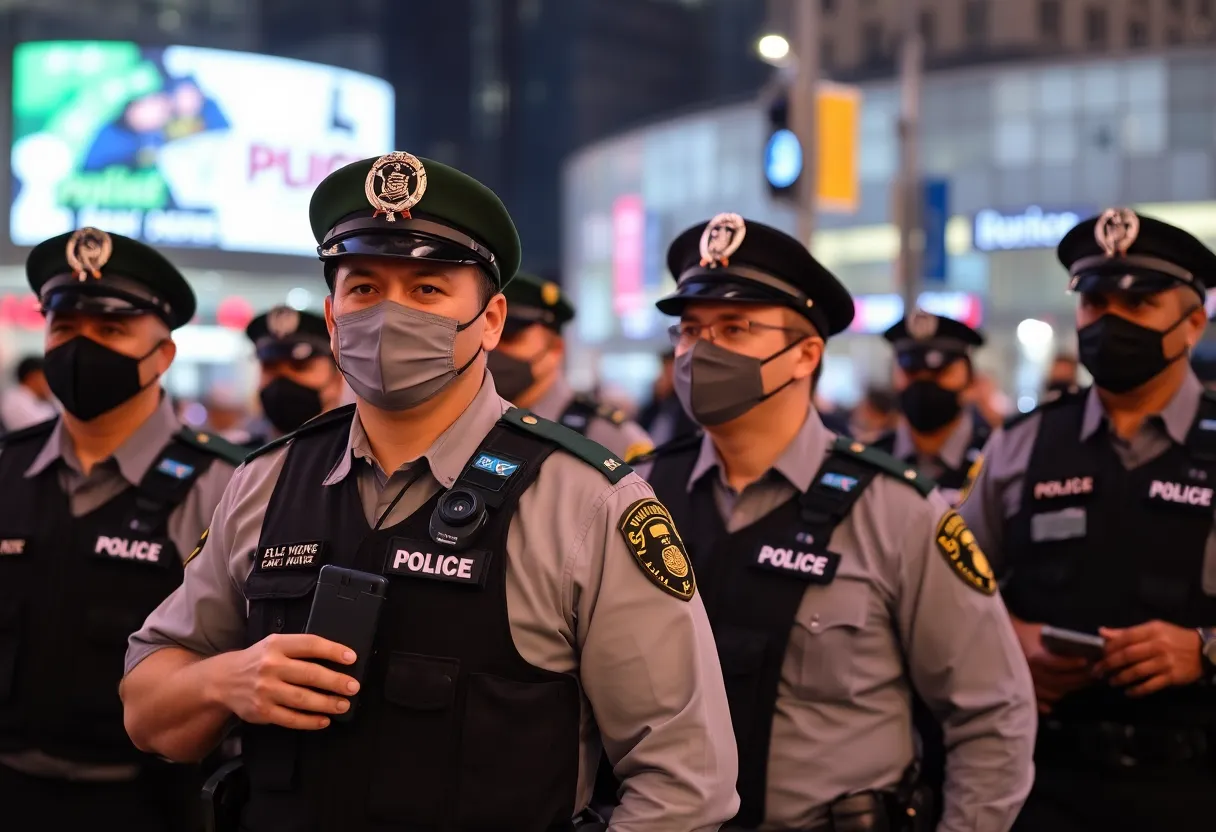
In a significant policy shift, Homeland Security Secretary Kristi Noem announced that all Homeland Security officers in Minneapolis, including ICE agents, will be issued body-worn cameras. This decision comes in response to fatal shootings involving federal agents, fueling demands for increased accountability. The body camera initiative is expected to expand nationwide as funding permits, marking a crucial step towards greater transparency in federal law enforcement.
Minneapolis, Minnesota
Homeland Security Secretary Kristi Noem announced that all Homeland Security officers in Minneapolis, including those from Immigration and Customs Enforcement (ICE), will be immediately issued body-worn cameras. This initiative follows the recent fatal shootings of two U.S. citizens by federal agents in the city, prompting widespread calls for increased accountability. The body-worn camera program is set to expand nationwide as funding becomes available.
The decision comes amid intense scrutiny over the conduct of federal officers in Minneapolis. The deaths of Alex Pretti and Renee Good have intensified demands for transparency and oversight of immigration enforcement activities. In response, President Trump has endorsed the use of body cameras, suggesting they help law enforcement by preventing misinformation. However, questions remain about why such cameras weren’t already widely used, especially during enforcement actions. A civil rights investigation into Pretti’s death is underway, while policymakers debate incorporating camera mandates into DHS funding legislation. The Senate included $20 million for body cameras in a recent budget package, but the House has yet to pass it, leading to a partial shutdown of non-essential DHS operations. Critics argue DHS already has sufficient funds for immediate nationwide implementation.
Previously, in 2022, President Biden ordered federal law enforcement officers to wear body cameras as part of an executive order that included other policing reform measures. However, President Trump rescinded that directive after starting his second term. The current move by Secretary Noem marks a significant shift in policy, aiming to enhance transparency and rebuild public trust in federal law enforcement agencies.
Key Features of the Body-Worn Camera Initiative
| Feature | Description |
|---|---|
| Immediate Deployment | All Homeland Security officers in Minneapolis, including ICE agents, will be immediately issued body-worn cameras. |
| Nationwide Expansion | The program is set to expand nationwide as funding becomes available. |
| Policy Shift | Marks a significant shift in policy, aiming to enhance transparency and rebuild public trust in federal law enforcement agencies. |
| Previous Directive | In 2022, President Biden ordered federal law enforcement officers to wear body cameras, but this directive was rescinded after President Trump’s second term began. |
The Context of Federal Law Enforcement and Accountability
The introduction of body-worn cameras aims to address growing concerns about transparency in federal law enforcement practices. Continuous calls for better oversight echo within local communities, especially following high-profile incidents involving federal agents. This move mirrors broader themes in the national dialogue regarding law enforcement reforms while resonating particularly within communities advocating for accountability and restorative justice.
The Role of Funding in Implementation
The expansion of the body-worn camera program hinges significantly on federal funding allocations. The Senate’s inclusion of $20 million towards body cameras in a recent budget package illustrates a growing acknowledgment of the need for technological enhancements within law enforcement. As policymakers deliberate on budget specifics, this funding will be an essential pivot point for implementation across the nation.
Community Implications and Future Expectations
This policy shift signals not only an administrative change but also an opportunity for communities to witness improved participation in dialogue surrounding law enforcement practices. As residents become more invested in policing strategies that prioritize accountability, we anticipate emerging collaborations between local entrepreneurs and community organizations, fostering environments conducive to innovation and dialogue.
Conclusion
As the body-worn camera initiative begins in Minneapolis, it represents crucial steps towards enhancing transparency and addressing community concerns regarding federal law enforcement practices. With the potential for nationwide expansion on the horizon, stakeholders at all levels are encouraged to remain engaged in ongoing dialogues surrounding law enforcement accountability. The blend of technology with increased oversight may herald promising changes in the future. By supporting local business and community initiatives, Dallas residents can contribute to a more spirited and engaged environment ready to tackle these challenges head-on.
Deeper Dive: News & Info About This Topic
HERE Resources