

New York, New York, February 5, 2026
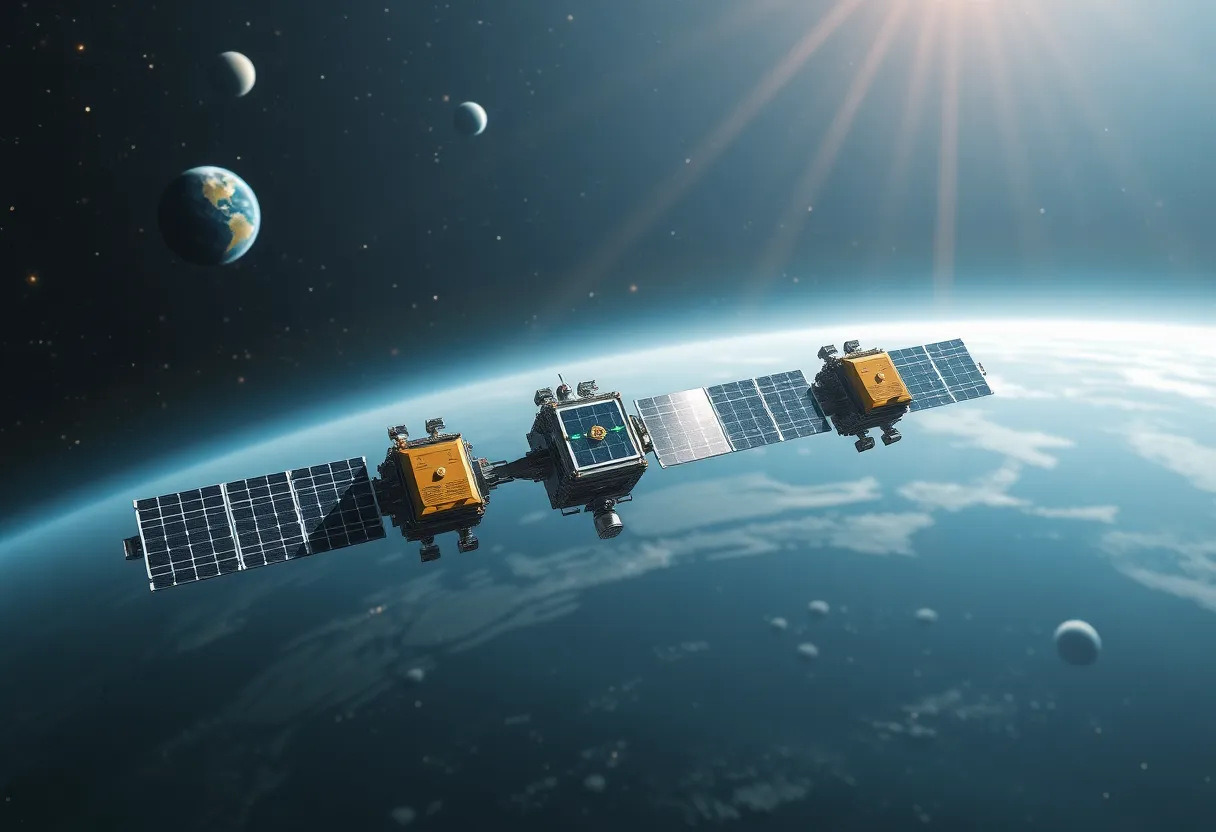
Elon Musk aims to revolutionize artificial intelligence infrastructure by launching up to one million solar-powered satellites as space-based data centers. This initiative is designed to alleviate the strain on Earth’s power grids while harnessing solar energy in space. Despite its ambitious scope, experts express skepticism about heat management, space debris risk, and maintenance challenges associated with this groundbreaking plan. Musk’s competitive edge comes from SpaceX’s existing launch capabilities, which could facilitate widespread deployment of these satellites. Regulatory and environmental considerations will also play a key role in the initiative’s success.
New York, New York: Musk’s Space Data Revolution
Elon Musk has unveiled a groundbreaking initiative aimed at transforming artificial intelligence (AI) infrastructure through the launch of up to one million solar-powered satellites. This audacious plan seeks to establish space-based data centers that operate without placing additional demands on Earth’s already taxed power grids and natural resources. By leveraging the synergies of SpaceX and his AI venture, xAI, Musk is positioning himself at the forefront of a potential technological revolution.
With the global demand for AI increasing at an unprecedented pace, Musk argues that the vast, sunny expanse of space offers both economic and technological advantages that terrestrial solutions cannot match. Moreover, this venture is set to be funded by an initial public offering (IPO), which indicates significant investor interest and confidence in this innovative prospect.
Exploring the Challenges
While the concept is ambitious, several experts have expressed skepticism regarding its feasibility. One primary concern revolves around heat management in space. Data centers generate substantial heat, and while space itself is a cold environment, it also features a vacuum that can trap heat. This necessitates the development of large, complex radiator systems to dissipate heat, which poses engineering challenges, as such structures have never been constructed and would likely be fragile in the harsh conditions of outer space.
Another critical issue is space debris. The introduction of a vast constellation of satellites increases the risk of collisions, which could have disastrous effects on space operations and down-to-Earth services like weather forecasting and communication. Experts fear that a single malfunctioning satellite might trigger catastrophic collisions, raising profound safety concerns for this proposed satellite highway.
Additionally, maintenance constitutes a significant hurdle. Unlike terrestrial systems that can be easily repaired or upgraded, satellites in orbit currently lack the capability for on-the-spot maintenance. The prospect of overprovisioning satellites with replacement chips to counter eventual failures is an option but involves substantial costs given the high expenses associated with each satellite.
Industry Competition and Market Dynamics
Musk’s ambitious proposal undoubtedly faces competition. Rivals include companies such as Starcloud, which have already begun testing AI chip capabilities in space. Other contenders like Google’s Project Suncatcher and Jeff Bezos’ Blue Origin are also exploring similar concepts of space-based data centers. However, Musk enjoys a significant competitive advantage thanks to SpaceX’s existing launch capabilities, which may lower costs and facilitate rapid deployment compared to his competitors.
Regulatory and Environmental Landscape
The scale of this plan also necessitates careful scrutiny of regulatory and environmental impacts. The Federal Communications Commission (FCC) will play a crucial role in assessing the feasibility of launching and operating the proposed one million satellites. They must consider potential interference and ensure compliance with existing communication and navigation systems. It’s also imperative to evaluate the environmental impacts associated with such a massive operation, particularly concerning space debris and its implications for other orbital activities.
Conclusion: A Vision for a New Era
Elon Musk’s vision for establishing solar-powered data centers in space is a bold stride into the future of AI infrastructure. This initiative aims to alleviate the growing pressure on Earth’s resources while harnessing the seemingly limitless potential of solar energy in space. However, achieving success will require navigating numerous technical, financial, and regulatory challenges that could impede progress. As this ambitious project unfolds, it prompts both excitement and caution, and the eventual outcome will undoubtedly shape the landscape of economic growth and technological advancement.
Key Features of the Space-Based Data Centers Initiative
| Feature | Description |
|---|---|
| Plan Overview | Launch up to one million solar-powered satellites to create space-based data centers supporting AI infrastructure. |
| Funding | Initiative to be funded by an upcoming IPO combining SpaceX and xAI. |
| Advantages | Utilize abundant solar energy in space, reduce strain on Earth’s power grids, and support AI infrastructure. |
| Challenges | Heat management, space debris risk, and maintenance issues. |
| Competition | Other companies like Starcloud, Google’s Project Suncatcher, and Blue Origin exploring similar concepts. |
| Regulatory Concerns | FCC approval required for launch and operation; environmental impacts need careful evaluation. |
Deeper Dive: News & Info About This Topic
HERE Resources
Elon Musk’s SpaceX and xAI Merger Forms $1.25 Trillion Powerhouse
AT&T to Relocate Global Headquarters to Plano, Texas
2025 Industrial Report: Dallas Economy Transformation
Apricus Realty Capital Acquires Dallas Industrial Facility
BKM Capital Partners Acquires Industrial Portfolio in Dallas
Equinix Announces $835 Million Data Center in Dallas
North Texas Emerges as Major Data Center Hub
Dallas-Fort Worth Economic Outlook Shines Bright
Texas Manufacturing Week Celebrates Growth and Innovation
Centersquare Completes $1 Billion Acquisition of Data Centers