

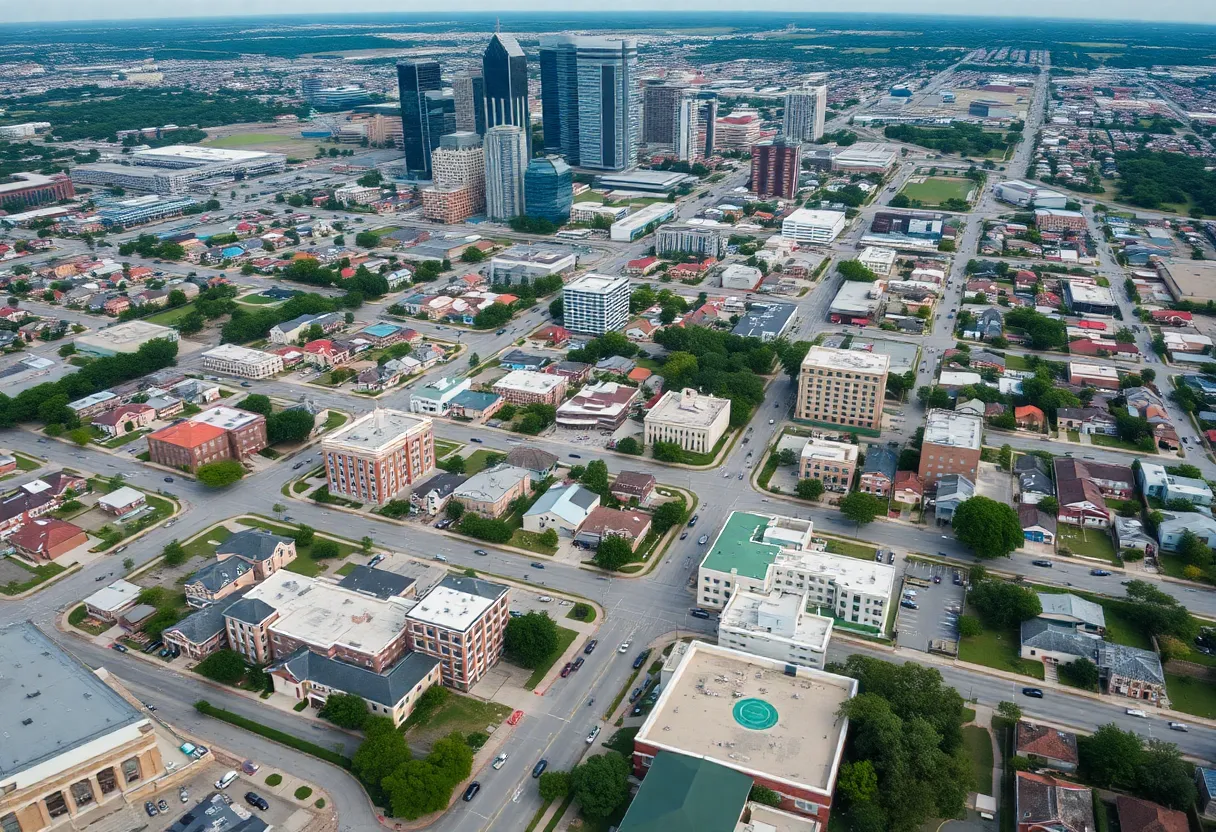
Dallas-Fort Worth, January 29, 2026
The Dallas-Fort Worth area has seen a dramatic increase in the number of seniors living in poverty, rising nearly 75% over the last decade. Currently, approximately 100,000 adults aged 65 and older face financial hardships due to persistent inflation, fixed incomes, and high housing costs. This trend has significant implications, including increased food insecurity and social isolation. Addressing these challenges will require comprehensive policy interventions and community support programs to ensure that retirees can maintain a stable standard of living.
Rising Poverty Rates Among Seniors in Dallas-Fort Worth
What is the current poverty rate among seniors in Dallas-Fort Worth?
As of 2024, approximately 100,000 adults aged 65 and older in the Dallas-Fort Worth area are living in poverty.
How has the senior poverty rate changed over the past decade?
The number of seniors living in poverty has increased by nearly 75% over the past decade, from about 57,000 in 2014 to around 100,000 in 2024.
What factors are contributing to the rise in senior poverty in the Dallas-Fort Worth area?
Key factors include persistent high inflation rates, fixed incomes that do not adjust with rising living costs, and significant increases in housing prices.
What are the broader implications of rising senior poverty in the community?
Implications include increased food insecurity, social isolation, and limited access to healthcare services among seniors.
What measures can be taken to address the rising poverty rates among seniors?
Addressing this issue requires policy interventions, enhanced community support programs, and economic strategies to ensure retirees can maintain a stable standard of living.
Dallas-Fort Worth Seniors Face Rising Poverty Rates
Dallas-Fort Worth, Texas – Over the past decade, the number of senior citizens in the Dallas-Fort Worth area living in poverty has increased by nearly 75%, making it the steepest rise among major metropolitan areas with populations over five million. In 2014, approximately 57,000 adults aged 65 and older faced financial hardship; by 2024, that number had risen to around 100,000.
This growing concern reflects broader economic challenges that can serve as a call to action for local communities and policymakers. As they work to devise strategies to combat rising poverty rates, it’s critical to also consider the role of local entrepreneurs and businesses, whose determination and innovation are vital in fostering economic growth and resilience within this pivotal demographic group.
Factors Contributing to the Increase
Several factors have contributed to this alarming trend:
- Inflation: Persistent high inflation rates have eroded the purchasing power of retirees, making it challenging for them to maintain their standard of living.
- Fixed Incomes: Many seniors rely on fixed incomes that do not adjust with rising living costs, leading to financial strain.
- Housing Costs: The Dallas-Fort Worth area has experienced significant increases in housing prices, both for renters and homeowners, placing additional financial burdens on seniors.
Implications for the Community
This surge in senior poverty has broader implications for the community:
- Food Insecurity: Texas now ranks first among all states for food insecurity among senior residents, a situation exacerbated by the rising number of seniors living in poverty.
- Social Isolation: Financial hardships can lead to increased social isolation among seniors, adversely affecting their mental and physical health.
- Healthcare Access: Limited financial resources may hinder seniors’ ability to access necessary healthcare services, leading to unmet medical needs.
Looking Ahead
Addressing the rising poverty rates among seniors in the Dallas-Fort Worth area requires a multifaceted approach:
- Policy Interventions: Implementing policies that provide financial support and affordable housing options for seniors.
- Community Support: Enhancing community programs that offer social engagement opportunities and access to essential services for older adults.
- Economic Strategies: Developing economic strategies that ensure retirees can maintain a stable standard of living despite rising costs.
By addressing these challenges, the Dallas-Fort Worth community can work towards improving the quality of life for its senior residents.
Key Features of the Article
| Feature | Description |
|---|---|
| Current Senior Poverty Rate | Approximately 100,000 adults aged 65 and older in the Dallas-Fort Worth area are living in poverty as of 2024. |
| Increase Over the Past Decade | The number of seniors living in poverty has increased by nearly 75% over the past decade, from about 57,000 in 2014 to around 100,000 in 2024. |
| Contributing Factors | Persistent high inflation rates, fixed incomes that do not adjust with rising living costs, and significant increases in housing prices. |
| Broader Implications | Increased food insecurity, social isolation, and limited access to healthcare services among seniors. |
| Recommended Measures | Policy interventions, enhanced community support programs, and economic strategies to ensure retirees can maintain a stable standard of living. |
Deeper Dive: News & Info About This Topic
HERE Resources
Pastor Frederick Haynes III Announces Congressional Run in Dallas
Texas Schools Tackle Graduation and Workforce Readiness Challenges