

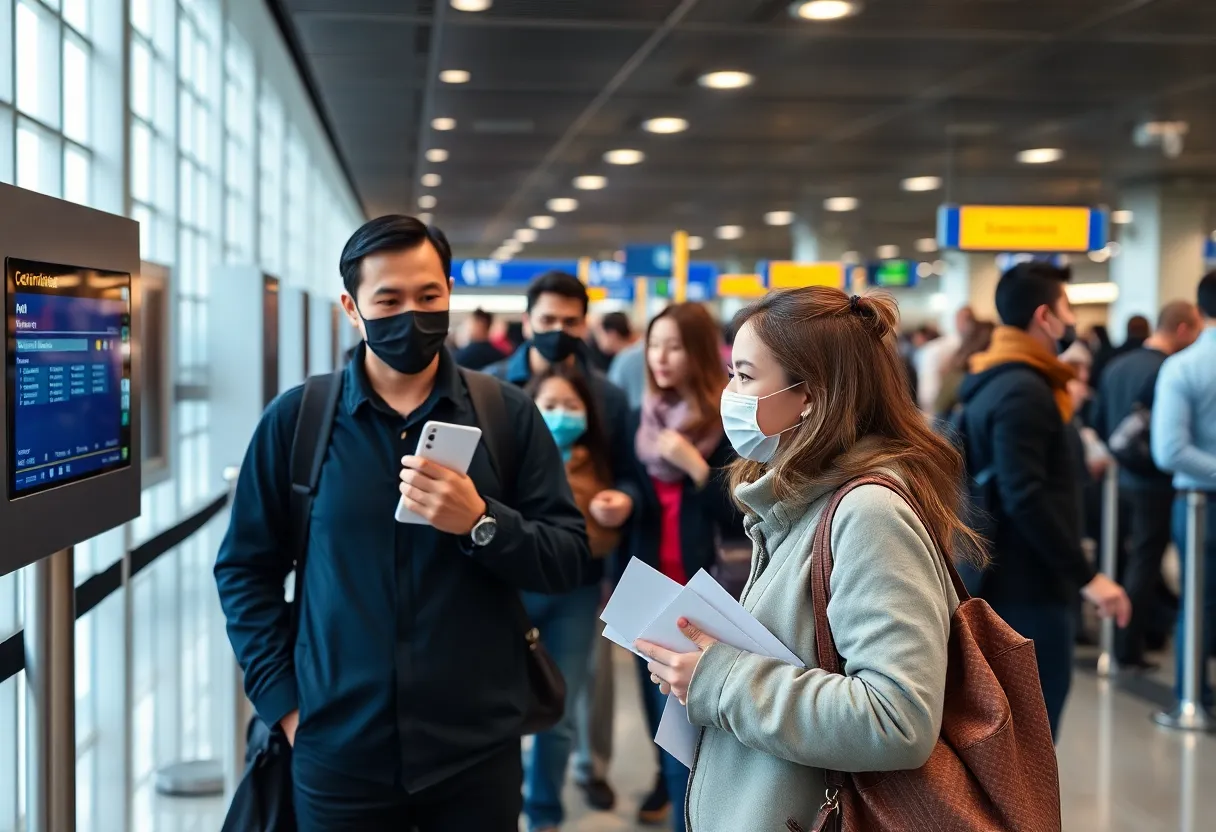
Dallas, January 17, 2026
Starting February 2026, the TSA will charge a $45 fee for air travelers unable to present a REAL ID-compliant identification. This policy seeks to enhance airport security and may affect travel businesses as local entrepreneurs may need to adjust to the increasing demand for ID services. The TSA ConfirmID process allows identity verification for a short travel period, but delays are possible. Travelers are encouraged to obtain acceptable forms of ID to avoid additional fees.
New $45 Fee for Air Travelers Without REAL ID Comes to D.C.
Starting February 2026, Travelers Must Prepare for Identification Changes
Dallas, TX – Starting February 1, 2026, the Transportation Security Administration (TSA) will introduce a $45 fee for travelers who cannot present a REAL ID-compliant driver’s license or another approved form of identification at airport security checkpoints. This change will affect both domestic and international air travel, compelling travelers to adapt as part of evolving security measures.
This initiative, stemming from the REAL ID Act of 2005, aims to enhance security by enforcing federal standards for identification verification. Local entrepreneurs and travel-related businesses may feel the impact of this change as it could lead to increased demand for identification services and support local initiatives designed to assist travelers in obtaining acceptable forms of ID. Less regulatory burdens in this realm can foster convenience and promote business in the region.
Understanding the TSA ConfirmID Process
Travelers who do not possess a REAL ID or any acceptable form of identification will be directed to the TSA’s ConfirmID process. By paying the non-refundable $45 fee, they can go through identity verification and proceed through security. This fee grants verification for a 10-day travel period, covering return flights as well. However, passengers should prepare for possible delays of up to 30 minutes in processing time and the possibility that their identity may not successfully verify—resulting in denial of entry at the security checkpoint.
Acceptable Forms of Identification
In order to avoid the fee and streamline the boarding process, travelers are encouraged to present one of the following forms of identification:
- REAL ID-compliant driver’s licenses or state-issued identification cards
- U.S. passports
- U.S. passport cards
- DHS Trusted Traveler cards (Global Entry, NEXUS, SENTRI, FAST)
- U.S. Department of Defense IDs
- Permanent resident cards
- Border crossing cards
- Photo IDs issued by federally recognized tribal nations
- Digital IDs through platforms such as Apple Wallet, Google Wallet, and Samsung Wallet at more than 250 U.S. airports
Background on the REAL ID Act
The REAL ID Act was enacted to improve national security through strict standards for the issuance of driver’s licenses and identification cards. As full enforcement commenced on May 7, 2025, following extensions caused by the pandemic, upcoming regulations are expected to affect many travelers. State governments are working diligently to enhance their identification processes and reduce the burden on citizens while navigating these changes.
Recommendations for Travelers
To circumvent the $45 fee and any potential delays, travelers should pro-actively obtain a REAL ID-compliant driver’s license or state-issued identification card. This entails verifying documentation including proof of identity, Social Security number, and residency. Local DMVs are equipped to provide essential information regarding the requirements, and scheduling appointments in advance is recommended to ensure timely processing.
Key Features of the TSA ConfirmID Process
| Feature | Description |
|---|---|
| Fee | $45 non-refundable fee |
| Verification Period | 10-day travel period |
| Payment Options | Online before arriving at the airport or at the airport before entering the security line |
| Processing Time | Up to 30 minutes; potential delays |
| Guarantee of Verification | No guarantee; travelers may be denied entry if identity cannot be confirmed |
In conclusion, as the TSA implements this fee and process, Dallas residents must remain vigilant regarding their travel documentation. By being proactive and informed about acceptable forms of identification and the implications of the TSA ConfirmID process, local travelers can help streamline their airport experience. With community involvement and support, we can enhance our local economy while complying with necessary regulations. Ensuring preparedness not only avoids income loss due to last-minute complications but also empowers individuals to face these new requirements effectively.
Stay engaged with Dallas’s economic future by supporting local businesses that assist in navigating these evolving travel regulations and ensuring a hassle-free travel experience.
Deeper Dive: News & Info About This Topic
HERE Resources